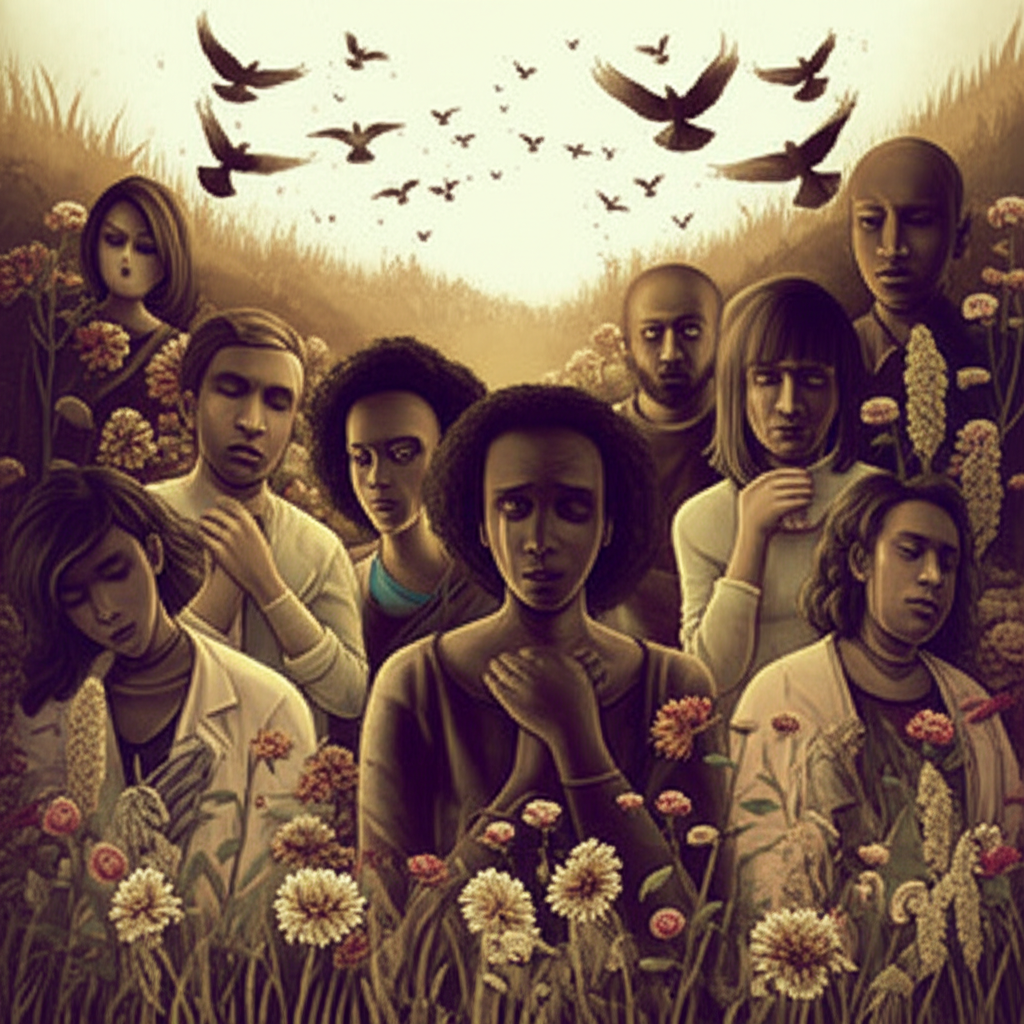
Grief. It's a word that resonates with a deep sense of loss and profound emotional upheaval. Experiencing grief is an intrinsic part of the human condition, yet it is one of the most complex emotional responses we can encounter. In this section, we’ll explore the essence of grief, uncover its varied expressions, and understand that it is a deeply personal journey without a predetermined path.
To begin understanding grief, we must recognize that it is a natural response to loss. Loss comes in various forms - the death of a loved one, the end of a significant relationship, loss of a job, or even the loss of an anticipated future. Each loss holds its unique meaning and significance, affecting individuals differently. The emotional experience of grief often involves intense sorrow, yearning, anger, regret, or bitterness. However, it can also include moments of relief or acceptance. The emotions are often swirling and dynamic, refusing to stay static.
No two people grieve in precisely the same way. This is because grief is a personal journey shaped by individual life experiences, cultural backgrounds, personalities, and the specific nature of the loss endured. For some, grief might manifest as deep sadness and withdrawal, while others might express it through anger or a need to talk incessantly about their loss. Still, others may dive into their work or busy themselves to avoid confronting the pain. It's crucial to understand that no response is 'wrong' or unsuitable.
The stages of grief - denial, anger, bargaining, depression, and acceptance - popularized by Elisabeth Kübler-Ross, offer a valuable framework, but they are not linear nor universally applicable. Not everyone will experience all these stages, and some may experience them in a different order or return to certain stages multiple times. This process is not a checklist but rather a starting point for understanding the complexity and individuality of grief.
Cultural norms and personal beliefs also heavily influence how grief is expressed and processed. In some cultures, expressing grief openly is encouraged and seen as a way to honor the deceased, while in others, maintaining composure is emphasized. Recognizing these cultural variations allows us to appreciate and validate each person’s experience.
The uniqueness of grief means there is no timeline for healing. Some might adjust to their new reality faster, while for others, the journey might take years. Patience and compassion towards oneself and others during this process is essential. Supporting someone in grief involves listening without judgment, acknowledging their feelings, and offering comfort without trying to ‘fix’ what cannot be fixed.
Ultimately, understanding grief as a deeply personal and non-linear journey encourages us to approach it with empathy and openness. Accepting that emotions will ebb and flow differently for everyone, without imposing expectations, can lead to healthier processing of loss and, eventually, a form of healing.